Practice 02 · reviewed 10 August 2026
Choose the order by the question.
A museum can provide names, chronology and close detail. A site can provide scale, route and landscape. Neither should automatically become the warm-up for the other.
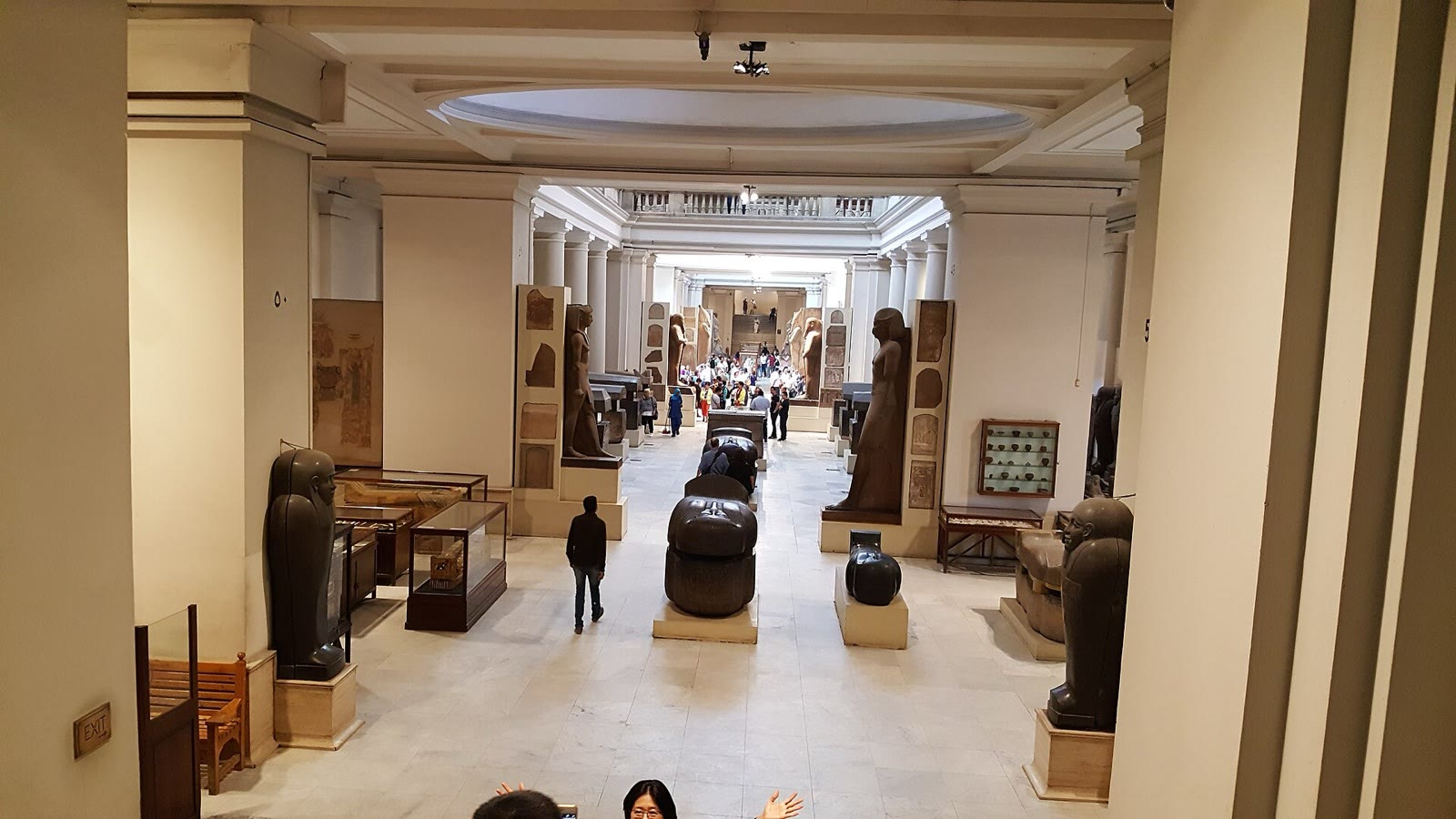
“Visit the museum first for context” sounds sensible and sometimes creates a day of exhausted recognition. “See objects in their original place first” sounds authentic and ignores how much material was moved, dispersed or preserved away from a site. The order should answer a specific learning need and respect how much attention the traveller actually has.
Choose museum first when vocabulary is missing
A museum can introduce object types, materials, periods and recurring visual forms at close range. If words such as stela, canopic jar, false door or pylon are unfamiliar, a focused gallery visit may make later site interpretation easier. The key is focus: choose one theme or period rather than attempting the entire collection as preparation.
Labels can connect an object to excavation place, date and function. Record that provenance language carefully. “From Saqqara” may refer to a large archaeological area; a more precise tomb or context carries different interpretive value. If the label does not state the chain clearly, do not invent it.
Choose site first when spatial logic matters
A site teaches scale, route, horizon, surface under natural light and the distance between structures. A model of a temple can show plan clearly; it cannot reproduce the bodily transition from open court to dark interior. A statue in a gallery can be studied closely; it may no longer show the height, axis or surrounding architecture that shaped its original encounter.
Visit the site first when the central question concerns approach, landscape or movement. Take a small list of uncertainties to the museum: What stood in this room? Which fragments survive? What material or colour is hard to see in place?
| Your question | Useful first stop | Second stop task |
|---|---|---|
| What are the recurring object types? | Focused museum gallery | Find one type in architectural context |
| How does a temple control movement? | Temple site | Use objects or models to clarify ritual equipment |
| How did burial provision vary? | Museum or tomb, depending access | Compare label context with spatial evidence |
| How does stone change in light? | Site in current conditions | Study protected or close detail in a collection |
Respect the object’s second context
A museum is not a neutral box. Display design, lighting, grouping, label language and institutional history shape interpretation. Objects may have moved between storerooms, buildings and exhibitions. Current museum websites and gallery information should be checked because a famous object may not be where an old guide says it is.
Notice the mount, viewing height and neighbouring objects. Are they grouped by chronology, material, tomb group, ruler or aesthetic effect? The curator’s sequence becomes part of what the visitor learns.
Institutional moves and gallery changes can make even recent visitor reports operationally unreliable. Confirm with the museum.
Protect against museum fatigue
Collections reward depth and punish endless completion. Select one anchor case or room. Look at three objects slowly: one familiar form, one unfamiliar material and one object with strong provenance information. After each, step away from circulation and write a two-line note.
Photography can consume the gallery. If permitted, photograph the label and one object view only when the image will support later study. Never use flash or equipment against the rule, and keep cases, paths and other visitors unobstructed.
Build a paired record
Divide a page into “site” and “collection.” Under site, record scale, route, material in light and one missing element. Under collection, record close detail, label context, display grouping and one lost spatial relationship. The two sides should disagree in useful ways.
When there is time for only one
Choose the place that best answers the trip’s central question, not the one described as mandatory. A museum may be the stronger choice during extreme exposure, limited mobility or conservation closure. A site may be the stronger choice when landscape and architecture are the reason for travel. One attentive visit is not an inferior version of two rushed ones.
Next practicePhotograph without erasing the place→