Independent cultural field guide · nothing soldEdition 01 · August 2026

An independent visual field guide

Look before you label.

Egypt’s monuments are not a row of famous objects. They are materials, experiments, reused spaces and living streets. Begin with form, ask what changed, then use the name as evidence—not as the end of attention.

Surface
01 / 09
Limestone
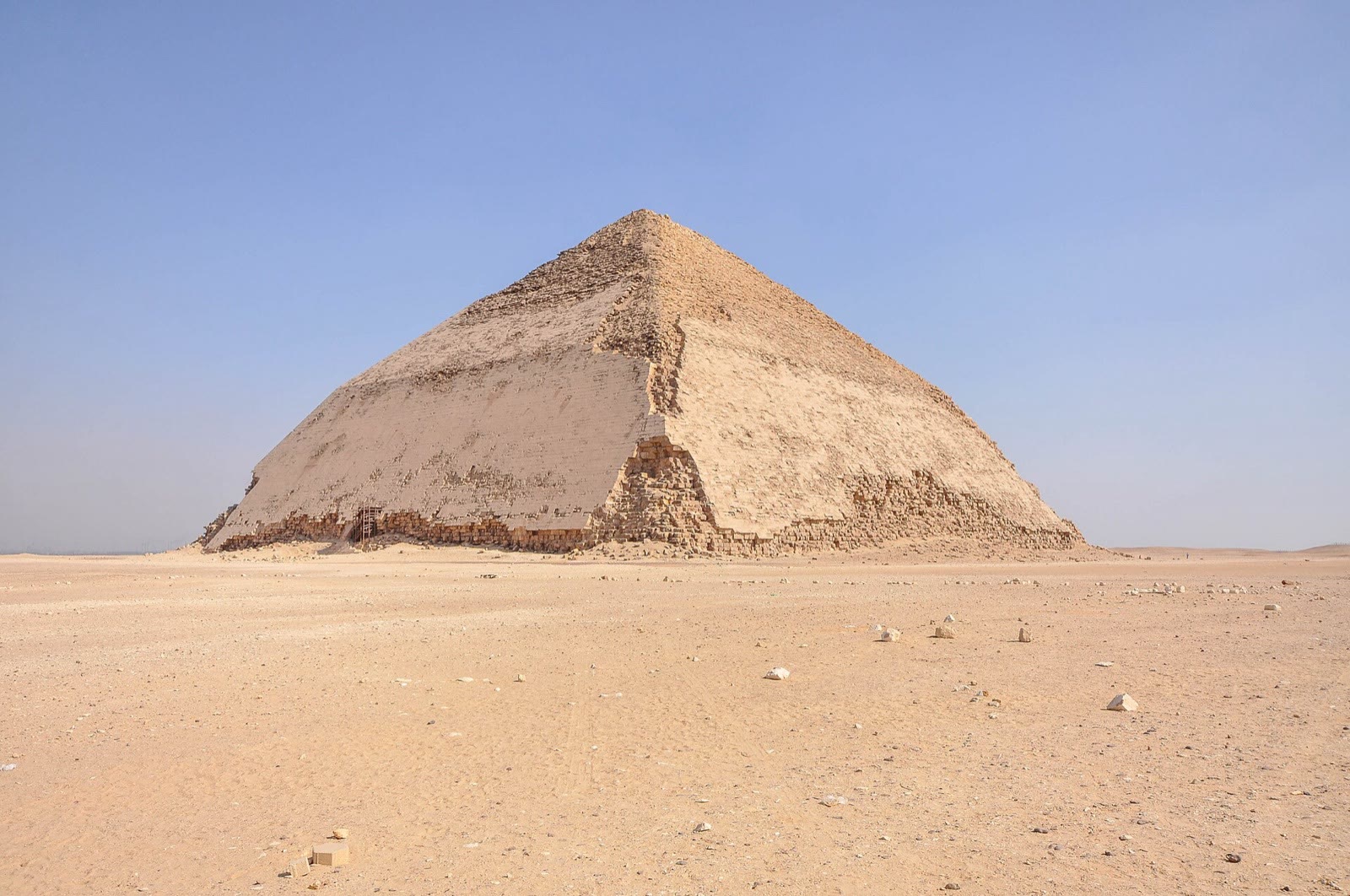
The Bent Pyramid at Dahshur with limestone casing visible
The Bent Pyramid at Dahshur. Photo: Jorge Láscar, CC BY 2.0. Current access must be checked independently.
FormRead silhouette and sequence
SurfaceNotice tool, pigment and repair
SettingConnect object to landscape
AfterlifeAsk how meaning changed
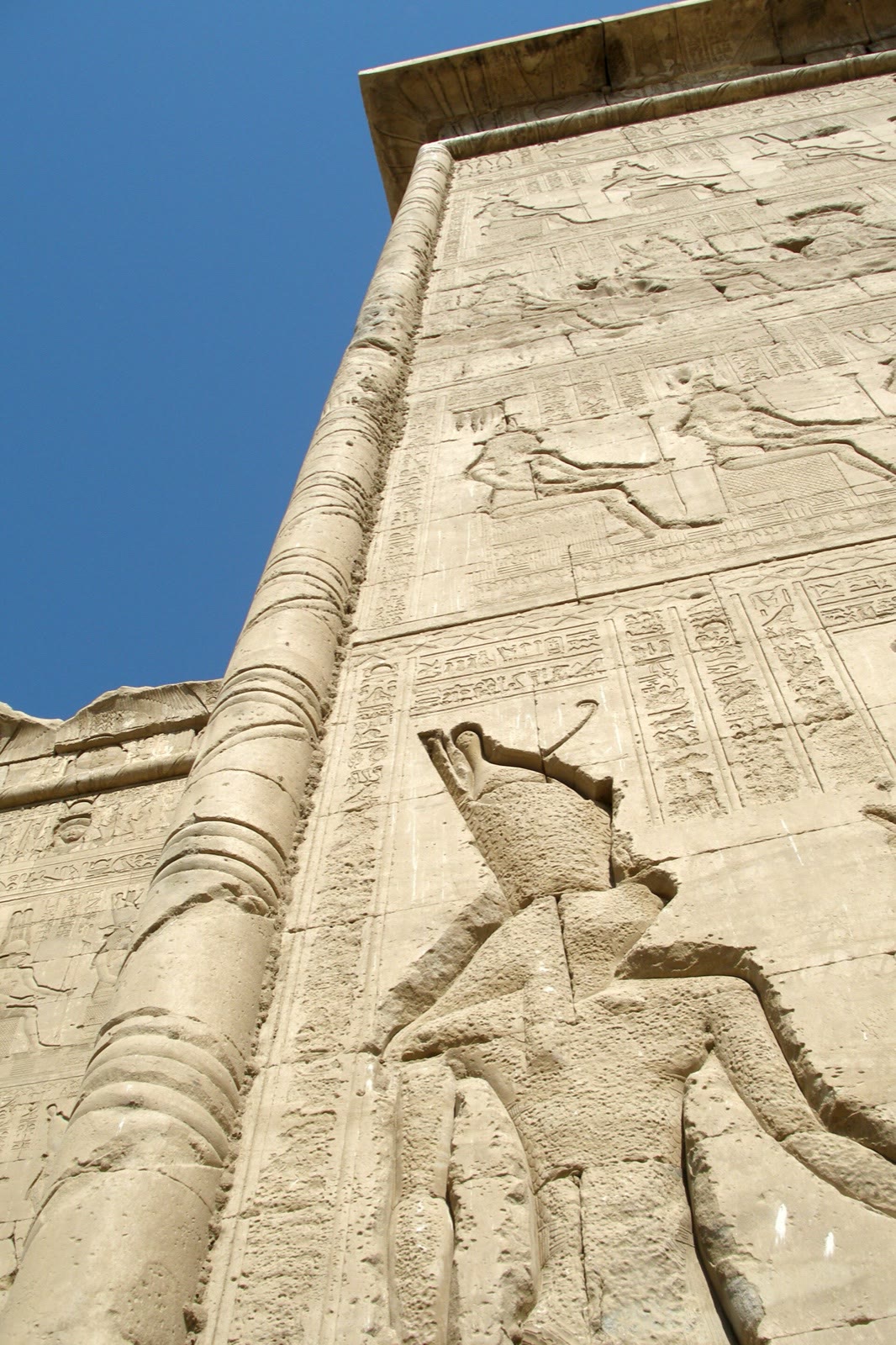
Carved and painted figures on a wall at the Temple of Hathor in Dendera

Featured practice · visual sequence

One wall can hold the whole visit.

A relief is not wallpaper around a famous building. Scale, direction, overlap and repeated gesture organise a claim about ritual and power. Learn a five-step method that works before translation.

Read the five-step method

Evidence stays attached to its limit.

We distinguish observed form from historical interpretation and both from operational details that need a fresh official check.

01

Describe first

Shape, material, direction and setting are recorded before a confident historical label.

02

Compare carefully

A nearby object or site becomes useful only when the terms of comparison are explicit.

03

Credit the image

Every local photograph links back to its creator, file page and reuse licence.

04

Verify operations

Access, price, opening, photography and transport remain the authority’s current decision.

Choose one field note and carry one question.

Depth begins when the site no longer has to compete with the entire itinerary.

Choose a field note