Practice 03 · reviewed 10 August 2026
Photograph without erasing the place.
A camera can record relationship or demand that the world move aside. A short shot list, explicit permission and honest editing keep the photograph connected to the visit.
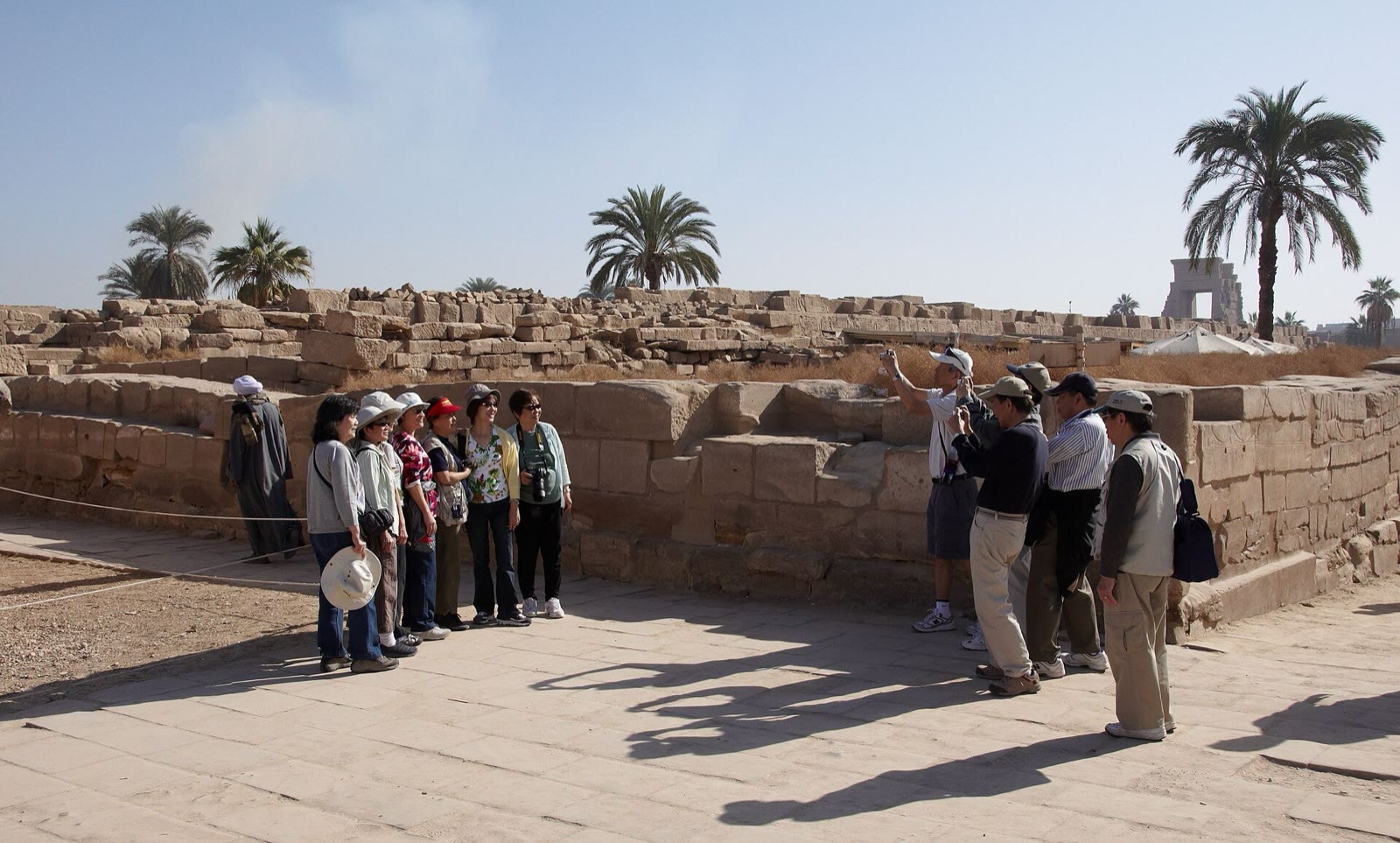
Photography feels harmless because it does not remove a physical object. It can still block circulation, pressure a person, encourage barrier crossing or replace five minutes of observation with fifty near-identical files. Care begins by treating the camera as equipment that changes behaviour.
Read the current rule, not the crowd
Photography policy can differ among site, museum, gallery and specific interior. Flash, video, tripods, drones, commercial equipment and bags may each have separate controls. Another visitor taking a photograph is not evidence that it is allowed. Read signs, check the official institution and follow staff instructions.
A paid entry or camera permission does not cancel conservation barriers. Do not lean equipment on historic surfaces, climb for a higher angle or direct another person into a closed zone. Drones involve legal, safety and security controls far beyond ordinary handheld photography and should never be assumed permitted.
Look once before lifting the camera
Stand still for twenty seconds. Identify the subject, its setting and the relationship you want to record. If the answer is only “proof I was here,” one permitted image is enough. If the answer is architectural, decide whether a wide view, alignment or surface detail carries the evidence.
| Image | Purpose | Common distortion |
|---|---|---|
| Setting | Place the subject in landscape or room | Wide lens exaggerates edge distance |
| Relationship | Show axis, scale or neighbouring feature | Telephoto compresses separation |
| Detail | Record permitted material evidence | Strong contrast invents lost edges |
Keep people as people
Ask before photographing an identifiable person as the subject, especially workers, worshippers, children and people near their homes. Make the request understandable, show the result if appropriate and accept refusal without argument. Buying an object or service does not include portrait rights unless clearly agreed.
In broad public scenes, people may appear incidentally. Avoid images that expose a private moment, ridicule someone or turn poverty and labour into decoration. Security personnel, checkpoints and controlled infrastructure should not be photographed.
A person can agree to one image and not to video, repeated direction, online publication or a close portrait. Keep the scope clear.
Use waiting instead of removal
Visitors are part of a functioning site, not obstacles inserted into your photograph. Wait briefly for a gap if circulation allows. If the space remains busy, make an image that honestly includes scale and use. Never ask strangers to leave a prayer area, narrow passage or viewpoint so the monument appears empty.
Stand outside the main route while composing. A tripod, extended arm or long pause can create a barrier. In confined interiors, the responsible photograph may be no photograph.
Edit without manufacturing evidence
Basic exposure and colour correction can bring a file closer to the observed scene. Heavy saturation may invent pigment; aggressive clarity may make weathering look like carving; removal tools can erase barriers, repairs or modern context that explain the site. If an edited image is used as visual evidence, disclose changes that affect interpretation.
Caption precisely. Name the actual place and visible subject, credit any required source and do not claim that a photograph proves current access, crowd level or condition. Store a note with the date and viewpoint while memory is fresh.
Make captions while evidence is fresh
Before the day ends, select only the images that answer the original question. Add the exact site, visible subject, viewpoint and date. Separate what the photograph shows from what a guide or label explained. If people appear incidentally, consider whether public sharing is necessary and whether cropping can protect privacy without falsifying the scene.
Delete obvious duplicates rather than allowing quantity to imitate knowledge. Keep the source and licence record for any image made by someone else; “found online” is never an adequate credit.
End the camera session
Set a stopping rule: three useful images for one question, then the device returns to the bag or pocket. Use the remaining time to watch light change, listen and take a written note. The strongest travel memory may be the interval the camera did not manage.
Next practiceBuy craft with context→